How Boutique Hemp Retail Stores Are Redefining Cannabis Shopping in North Carolina

North Carolina’s hemp industry has evolved far beyond basic CBD storefronts. Across the state, a new wave of boutique-style dispensaries is creating retail environments focused on quality products, education, and customer experience. These stores emphasize curated menus, transparent sourcing, and knowledgeable staff, helping move hemp retail away from smoke shop stereotypes toward a more professional industry standard.
The Rise of Boutique Dispensary Style Retail
In cities like Winston-Salem and Charlotte, hemp retailers are increasingly adopting boutique retail concepts. Instead of cluttered shelves and novelty items, these stores prioritize a clean layout, curated product selections, and staff trained to educate consumers.
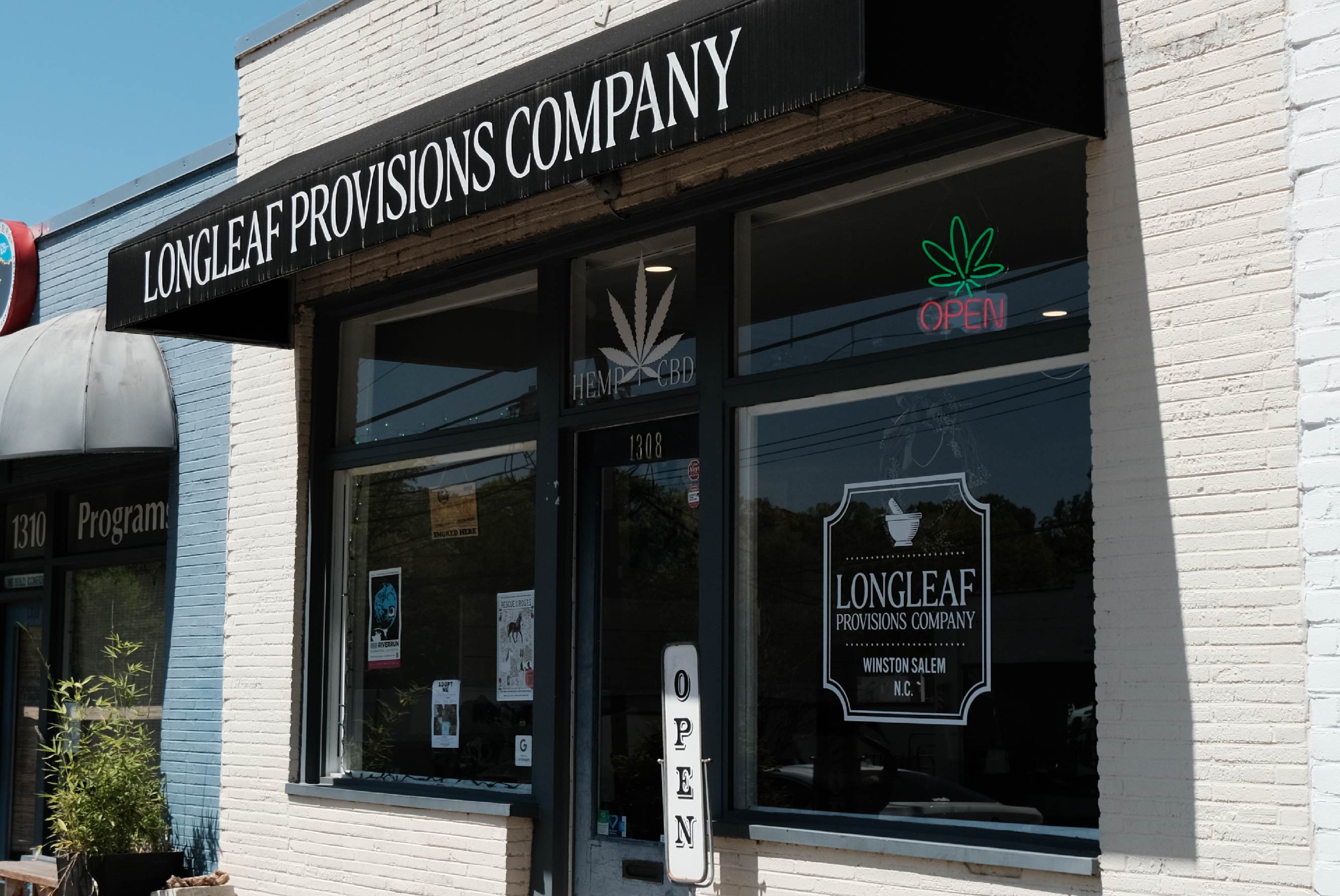
One example is Longleaf Provisions, a Winston-Salem retailer known for its boutique storefront and premium flower selection. The store focuses heavily on quality control and product education, creating an experience that feels closer to a craft retail environment than a traditional smoke shop.
This approach mirrors trends seen in mature cannabis markets across the United States, where retail experience plays a major role in customer loyalty.
Product Variety Is Driving Retail Growth
Today’s hemp dispensaries carry a much wider variety of products than early CBD stores. Many retailers now offer multiple categories designed for different consumer preferences.
Common product categories found in North Carolina hemp dispensaries include:
• Premium THCa flower
• Infused beverages
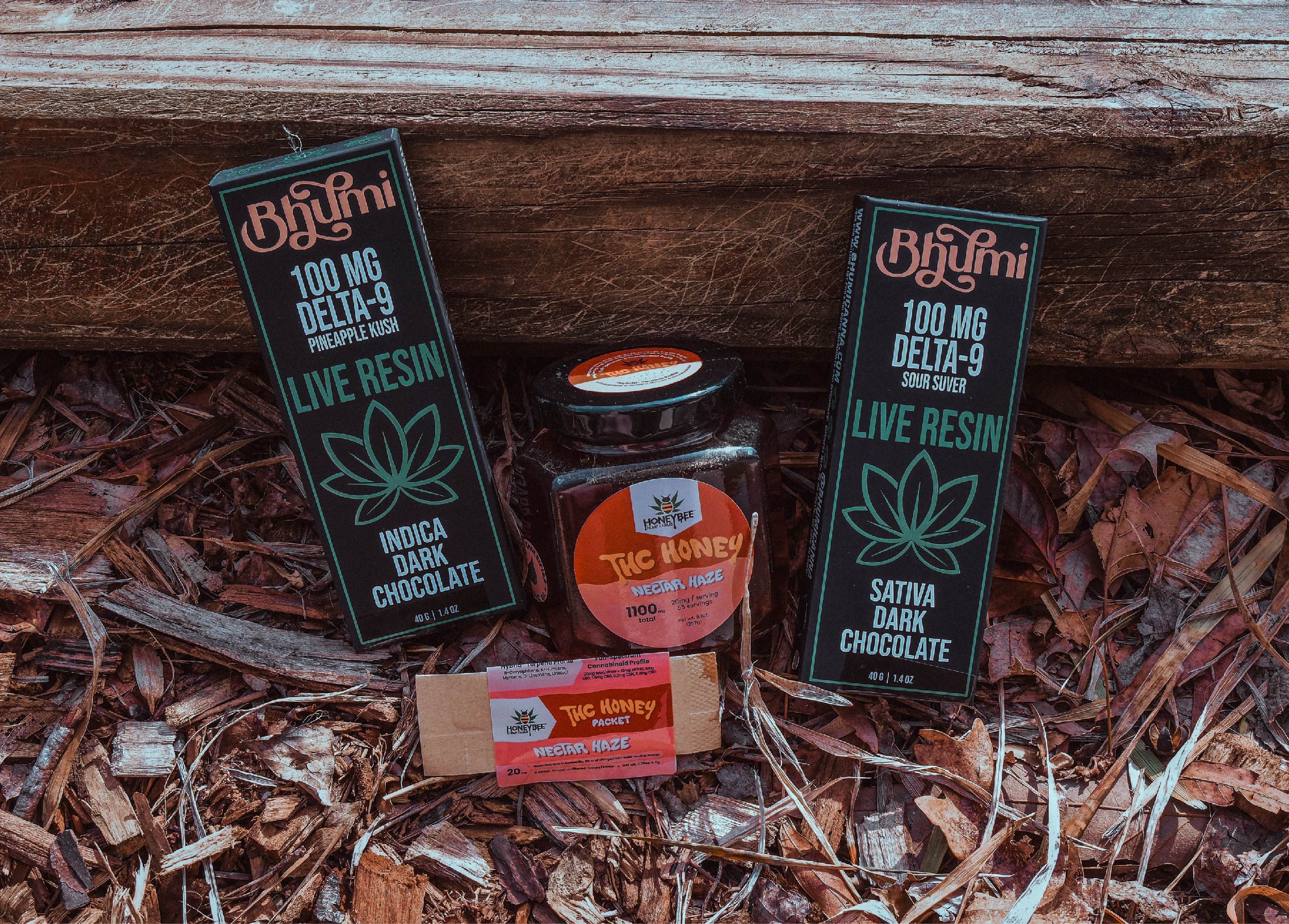
• Gummies and edible products
• CBD tinctures and wellness products
• Specialty foods such as infused honey
Retailers such as Crowntown Cannabis in Charlotte have built reputations around offering extensive product menus that span many of these categories.
This product diversity allows stores to serve both experienced cannabis consumers and new customers exploring hemp products for the first time.
Education Has Become a Core Business Strategy
Consumer education is now one of the most important factors separating successful hemp retailers from others.
Customers frequently ask questions about:
• Cannabinoid differences such as CBD, THCa, and delta-9
• Dosing for edible products
• Expected effects from various product formats
• Lab testing and product safety
Retailers that invest in staff training can help customers navigate these topics more confidently.
Retail Stores Are Becoming Community Spaces
Many hemp retailers are also building community around their brands. Stores increasingly host events, product launches, and educational workshops designed to normalize hemp products and connect with local customers.
These activities help create a sense of community while reinforcing responsible consumption and transparency.
The Retail Experience Will Shape the Future of Hemp
As North Carolina’s hemp market continues to mature, the businesses that emphasize professionalism, compliance, and customer experience are likely to stand out. Boutique-style retailers demonstrate that hemp can be sold in a responsible and sophisticated environment, helping elevate the industry statewide.
Latest Articles


Our Newsletter
Keep yourself informed with the most recent news and exclusive content.