North Carolina Hemp Law in 2026: What Is Legal and What Could Change Next

North Carolina’s hemp market has grown rapidly since federal legalization in 2018, but the state is still working to define clear rules for intoxicating hemp products. Retail stores, beverage companies, farms, and advocacy groups are all involved in ongoing policy discussions in Raleigh. Lawmakers are currently debating issues such as age restrictions, packaging rules, testing requirements, and where hemp products should be sold. As federal changes approach in late 2026, understanding the current legal landscape has become increasingly important for businesses and consumers across North Carolina.
The Legal Foundation of Hemp in North Carolina
Hemp became federally legal under the 2018 Farm Bill if the plant contains less than 0.3 percent delta-9 THC on a dry weight basis. North Carolina adopted this definition and established a hemp program through the North Carolina Department of Agriculture.
This allowed businesses to cultivate, manufacture, and sell hemp products including CBD oils, hemp flower, infused beverages, and edibles.
However, the law did not anticipate the rapid innovation of cannabinoids such as THCa, delta-8, and other hemp-derived compounds. As a result, North Carolina now has a large market operating within federal hemp definitions but without a detailed retail regulatory system similar to alcohol or tobacco.
Why Lawmakers Are Now Debating Regulation
Over the past several years, lawmakers have raised concerns about the availability of intoxicating hemp products.
Policy conversations often focus on three major areas.
- Age restrictions for intoxicating hemp products
- Clear testing and labeling standards
- Packaging rules designed to prevent access by minors
Several proposed bills during the 2025–2026 legislative sessions aim to create statewide rules addressing these issues. Many proposals mirror regulations already used for alcohol or cannabis markets in other states.
The Role of Industry Advocacy
Policy discussions around hemp regulation involve multiple industry groups and associations.
The NC Responsible Business Association includes retailers, manufacturers, lobbyists, and even law enforcement professionals working to establish responsible regulatory standards. Their approach generally focuses on consumer safety and transparency while preserving legal hemp businesses.
Another group active in industry discussions is CBHD News, which represents leaders across the hemp supply chain and focuses on industry communication, education, and policy awareness.
Both organizations contribute to the broader conversation about how North Carolina should regulate hemp products moving forward.
How Current Policies Affect Retail Businesses
Retailers across the state operate under the current hemp definition but must navigate a patchwork of local enforcement and evolving legislation.
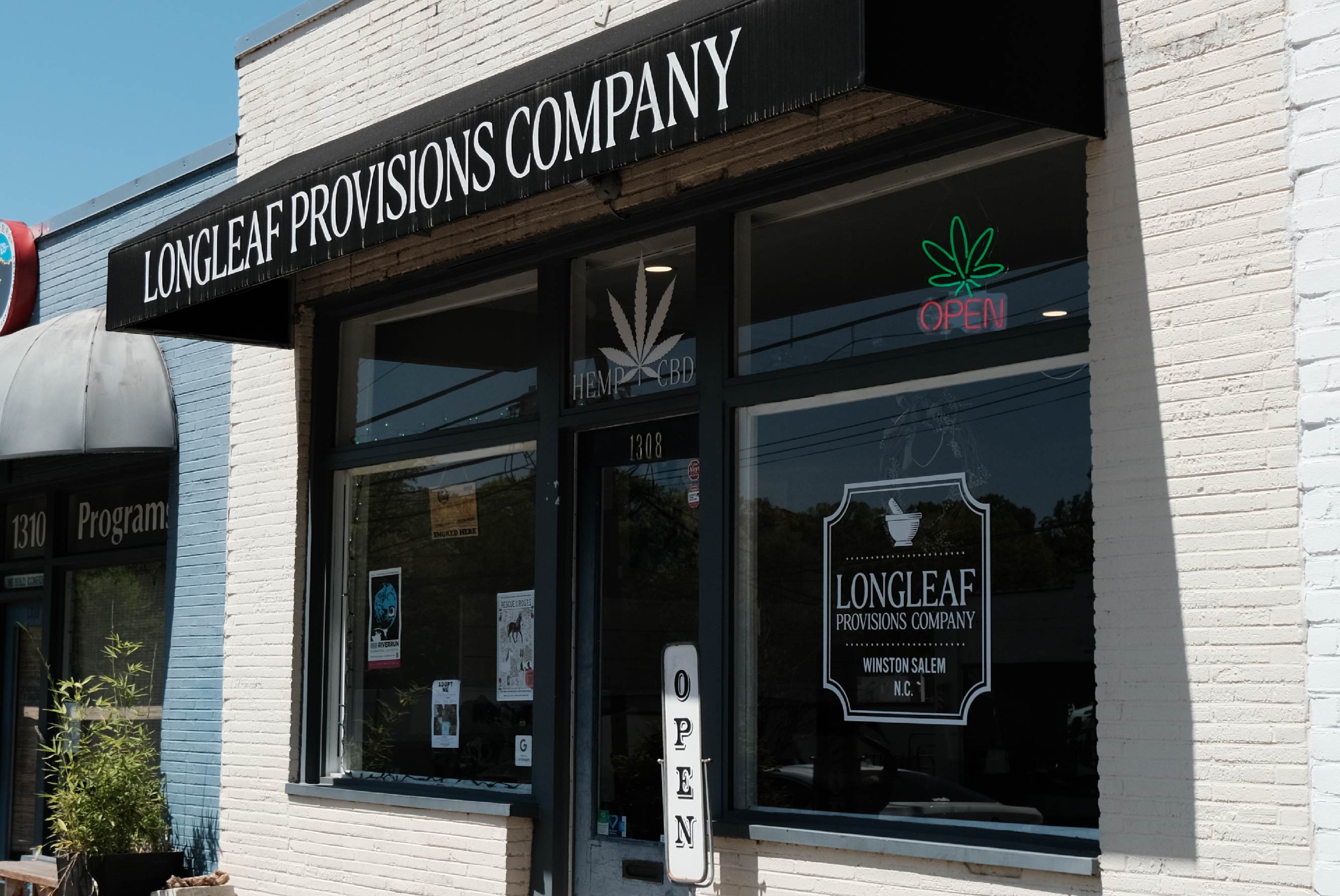
Stores such as Longleaf Provisions in Winston-Salem have built reputations around curated flower selections and boutique retail experiences. Other dispensaries like Crowntown Cannabis in Charlotte focus on offering a wide range of hemp products including edibles, beverages, and concentrates.
Smaller dispensaries such as Salem Organics and Morganton Hemp serve local communities while monitoring policy developments that could affect product availability or store operations.
Federal Changes Expected in 2026
One of the biggest policy questions for the hemp industry involves potential changes to the federal definition of hemp.
Legal analysis from the UNC School of Government has noted that federal legislation passed in late 2025 includes provisions that could modify hemp definitions in ways that affect cannabinoids such as THCa and delta-8 beginning in November 2026.
If implemented as written, these changes could significantly alter which products qualify as legal hemp under federal law.
Because federal law supersedes state law, businesses across North Carolina are closely monitoring these developments.
What Consumers Should Know
Consumers purchasing hemp products should look for companies that prioritize transparency and safety.
Responsible businesses typically provide:
• Third-party laboratory testing
• Accurate cannabinoid labeling
• Clear packaging information
• Responsible retail practices
These standards help ensure products meet quality expectations while protecting consumers.
North Carolina’s hemp industry sits at a turning point. The state must decide how to regulate a rapidly expanding market while federal policymakers debate changes that could redefine hemp nationally. For businesses, retailers, and consumers, staying informed about policy developments will be critical as the regulatory environment continues to evolve.
Latest Articles


Our Newsletter
Keep yourself informed with the most recent news and exclusive content.