Hemp Regulation in North Carolina: Why Lawmakers Are Considering Age Limits and Packaging Rules

As hemp products become more common across North Carolina, policymakers are working to address concerns about youth access and product safety. Retail stores, beverage brands, and specialty manufacturers now operate throughout the state, selling everything from premium hemp flower to infused drinks and edibles. While these products are legal under federal hemp definitions, lawmakers are debating additional regulations to ensure consistent standards for consumers. Age limits, packaging requirements, and testing rules are at the center of current policy discussions.
Why Youth Access Has Become a Major Policy Issue
One of the most frequently discussed topics in North Carolina hemp policy is preventing access by minors.
Because hemp products are widely available in retail settings, some lawmakers argue that intoxicating products should follow rules similar to alcohol or tobacco. Proposed legislation often includes age restrictions that would limit sales of certain hemp consumables to customers 21 years and older.
Supporters of these proposals believe the rules would help reduce accidental exposure while establishing clear expectations for retailers.
Packaging and Labeling Standards
Another key issue being debated involves product packaging and labeling.
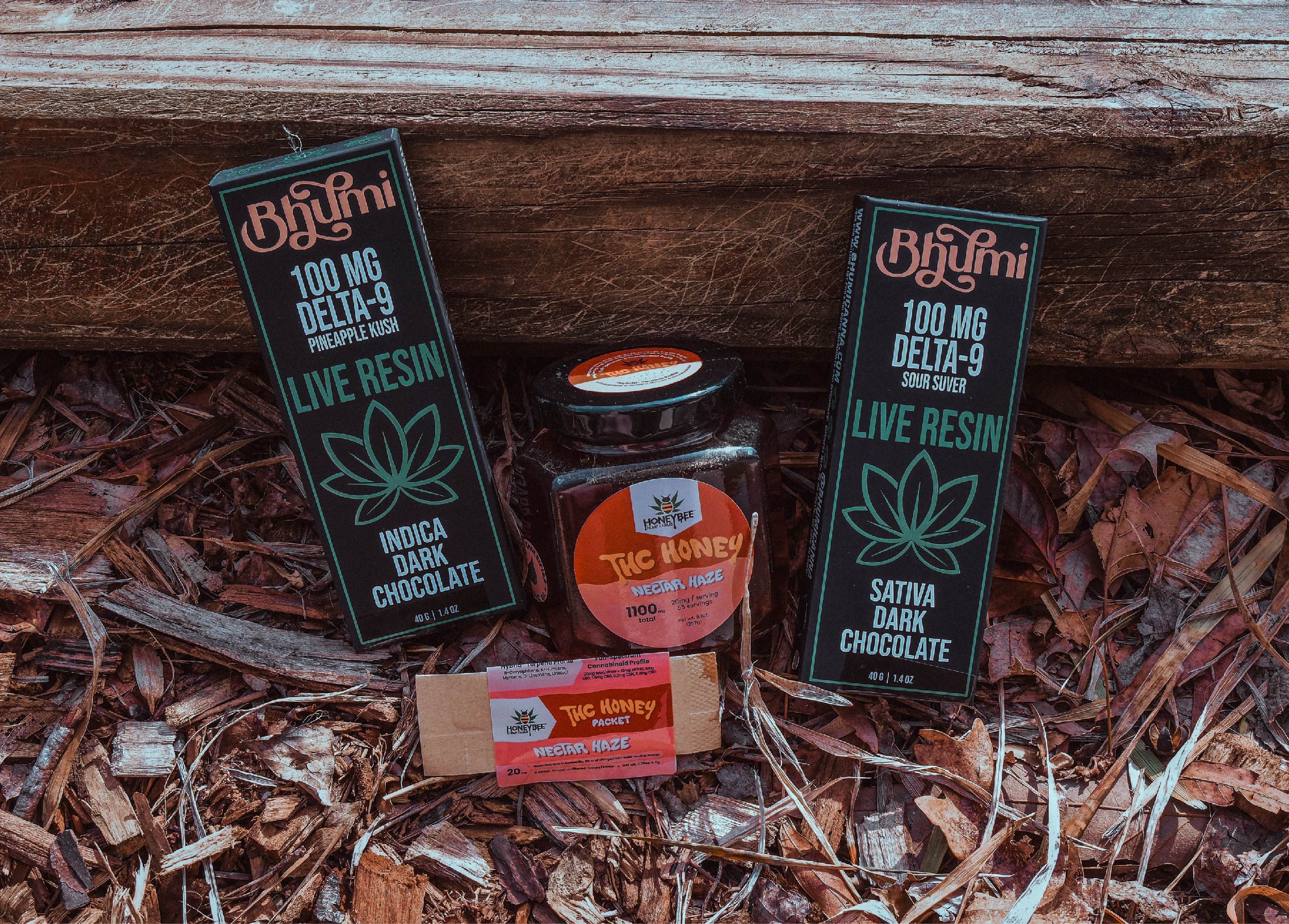
Some policymakers have expressed concern about hemp products that resemble candy or snacks that might appeal to younger consumers. In response, several legislative proposals have recommended child-resistant packaging and stronger labeling requirements.
These policies could require manufacturers to include clear cannabinoid content, warning statements, and lab testing information directly on packaging.
Testing and Product Transparency
Testing standards are another area where lawmakers want clearer rules.
Currently, many reputable hemp companies already provide laboratory testing through third-party labs. These lab reports verify cannabinoid content and ensure products are free from contaminants such as pesticides or heavy metals.
Formal testing standards could require manufacturers to provide consistent lab reports and make them easily accessible to consumers and regulators.
The Impact on North Carolina Businesses
If these regulations are adopted, hemp companies across the state will likely adjust their operations to meet compliance requirements.
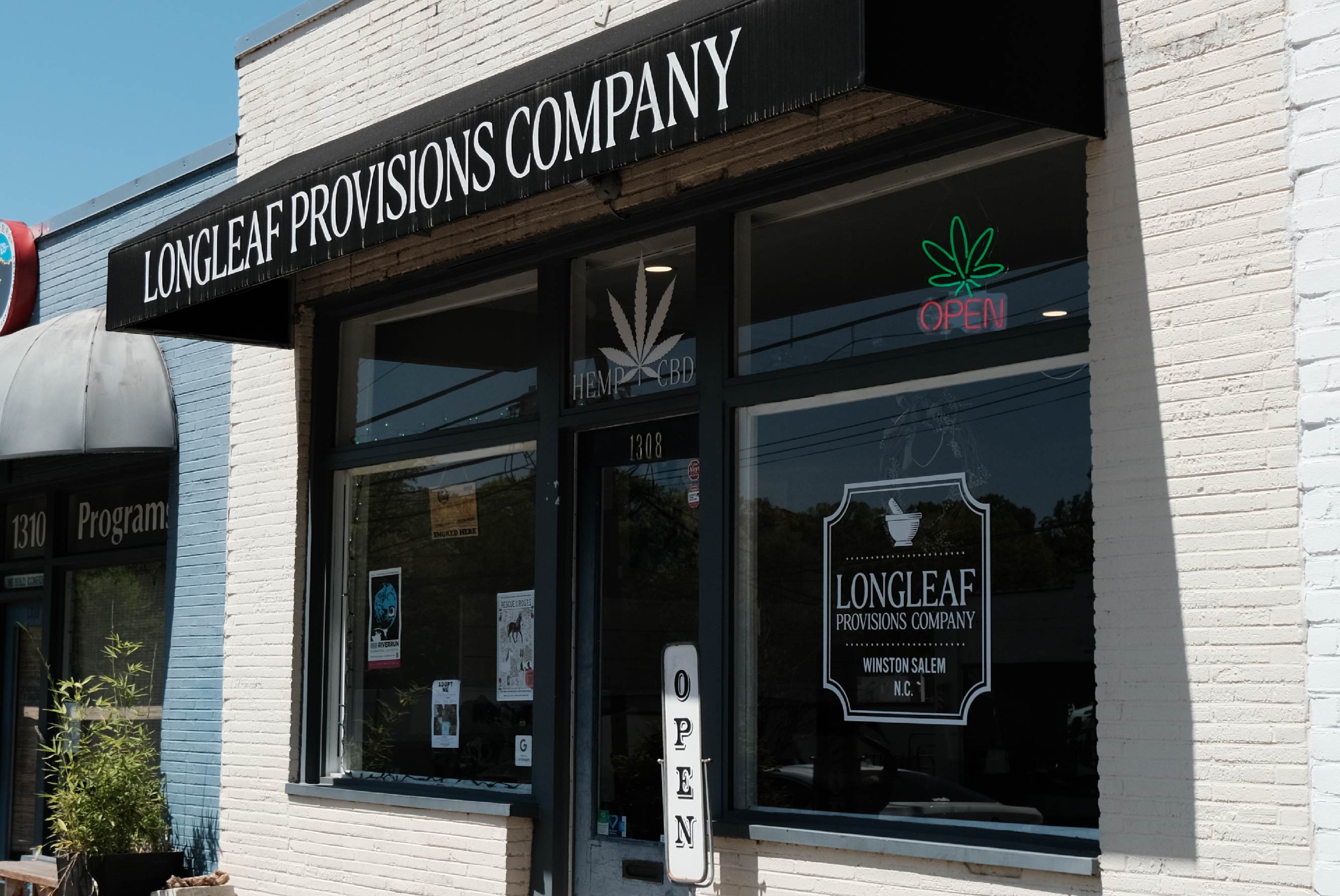
Retailers such as Longleaf Provisions and Crowntown Cannabis already emphasize quality control and responsible retail practices. Specialty producers including Honeybee Hemp Farms and Bhumi also prioritize transparency and ingredient sourcing in their product lines.
For many established businesses, these proposed rules would formalize practices that are already common within the industry.
Policy Debate Within the Industry
While many hemp businesses support reasonable regulations, industry leaders caution against policies that could unintentionally eliminate legal markets.
Entrepreneurs argue that regulated sales provide safer alternatives to unregulated markets. Many policy advocates recommend targeted rules that focus on safety standards and responsible retail rather than broad bans.
Organizations like NCRBA and CBHD News continue to monitor legislation and participate in policy discussions as these proposals develop.
North Carolina lawmakers are working to balance consumer protection with the economic growth of the hemp industry. Age restrictions, packaging standards, and testing requirements are likely to remain central topics in the state’s policy discussions. As legislation evolves, both businesses and consumers will play a role in shaping the future of hemp regulation in North Carolina.
Latest Articles


Our Newsletter
Keep yourself informed with the most recent news and exclusive content.