What Science Says About Cannabinoids and the Human Body
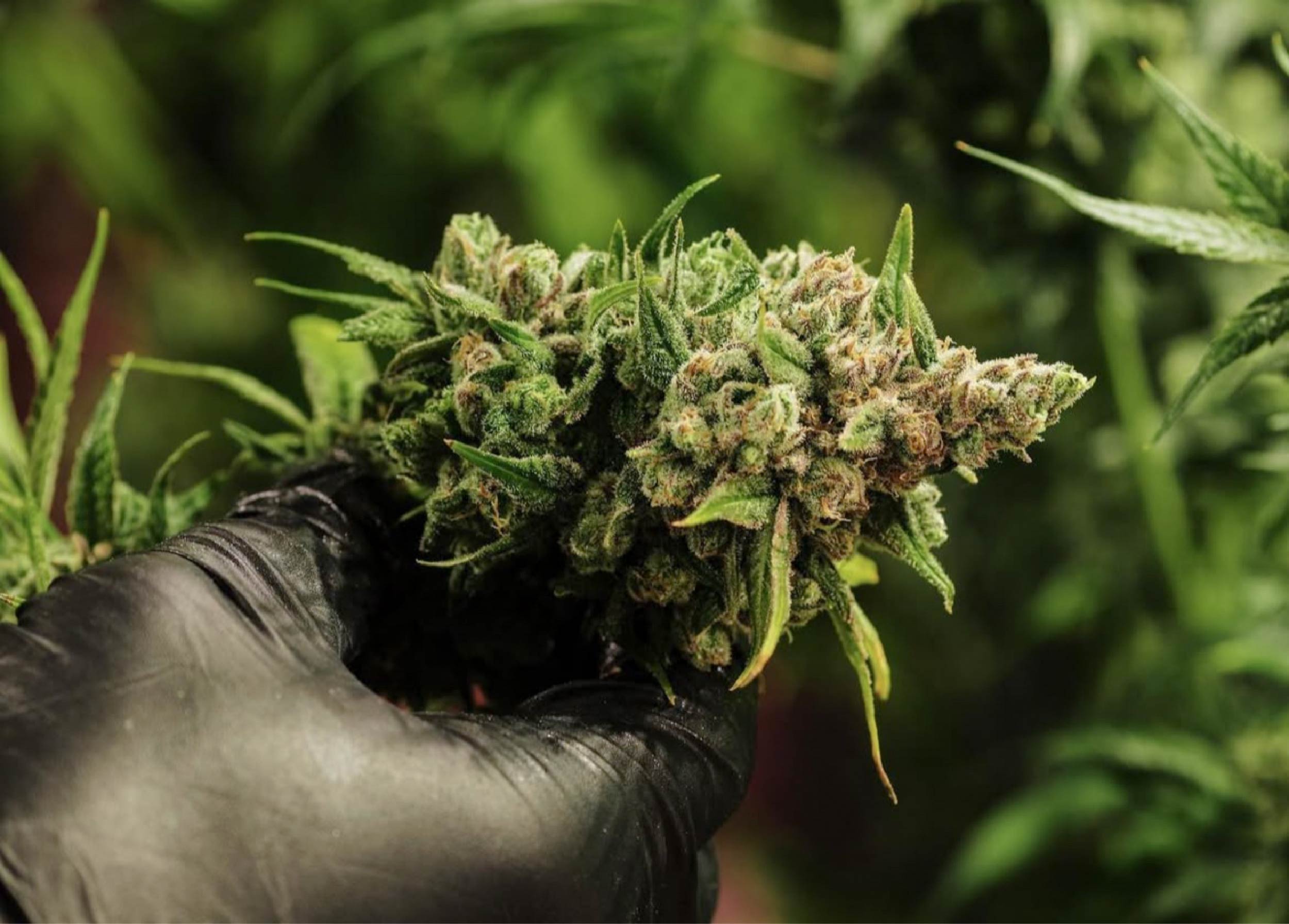
Cannabinoids have become one of the most studied natural compounds in modern plant science. Found naturally in cannabis and hemp plants, these molecules interact with biological systems throughout the human body. Researchers continue to study how cannabinoids influence processes such as pain perception, mood regulation, sleep cycles, and inflammation.
Understanding the Endocannabinoid System
The reason cannabinoids affect the body lies within a biological network called the endocannabinoid system.
This system plays a role in maintaining balance across multiple bodily functions.
Researchers have identified two primary receptor types involved in this system:
• CB1 receptors, primarily located in the brain and nervous system
• CB2 receptors, primarily located in immune cells and peripheral tissues
These receptors interact with both naturally produced cannabinoids in the body and plant-derived cannabinoids from hemp or cannabis.
Common Cannabinoids Researchers Study
The cannabis plant contains more than 100 cannabinoids, though only a few have been studied extensively.
Some of the most researched cannabinoids include:
• CBD (cannabidiol)
• THC (tetrahydrocannabinol)
• CBG (cannabigerol)
• CBN (cannabinol)
• THCa (tetrahydrocannabinolic acid)
Each cannabinoid interacts with the body differently, producing varying physiological responses.
What Researchers Are Currently Investigating
Scientific research surrounding cannabinoids is expanding quickly.
Areas of active research include:
• Pain management and inflammation
• Anxiety and mood disorders
• Neuroprotective properties
• Sleep regulation
• Appetite and metabolic effects
While early research shows promising results, scientists continue to emphasize the need for large-scale clinical trials.
Why Education Matters for Consumers
Because cannabinoids interact with the body in complex ways, understanding dosage, product quality, and individual tolerance is important.
Consumers should prioritize:
• Third-party tested products
• Clear cannabinoid labeling
• Responsible dosing practices
As research continues, the scientific understanding of cannabinoids will likely become more detailed and accessible.
The Future of Cannabinoid Science
Cannabinoid research is still in its early stages compared to other areas of medicine. However, growing scientific interest suggests that hemp-derived compounds will remain an important area of study for years to come.
Latest Articles





Our Newsletter
Keep yourself informed with the most recent news and exclusive content.