Hemp vs Marijuana: Understanding the Difference
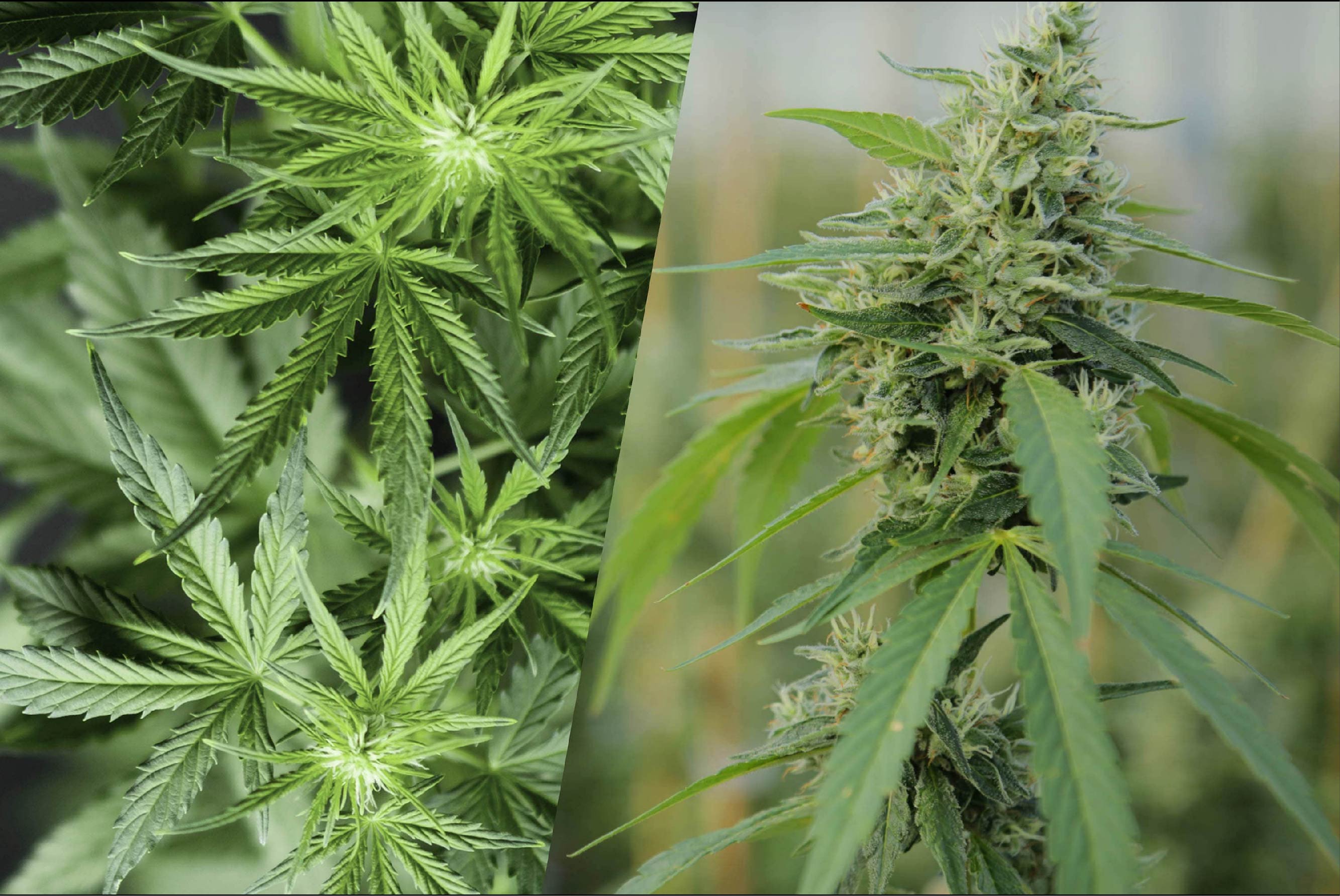
Many people assume hemp and marijuana are completely different plants. In reality, both come from the same species, Cannabis sativa. The primary difference between the two lies in how the plants are defined legally and chemically.
Understanding this distinction is important for consumers navigating the hemp industry.
The Legal Definition of Hemp
Under federal law, hemp is defined as cannabis containing less than 0.3 percent delta-9 THC on a dry weight basis.
Plants that exceed this threshold are classified as marijuana under federal law.
This legal definition determines whether a cannabis product can be sold legally within hemp markets.
Chemical Differences Between Plants
Although hemp and marijuana are closely related botanically, they are typically cultivated for different purposes.
Hemp plants are often grown for:
• CBD production
• Fiber and industrial uses
• Hemp seed oil
• Non-intoxicating cannabinoids
Marijuana plants are usually cultivated for higher THC levels.
Why Hemp Products Can Still Contain Cannabinoids
Even though hemp contains very low levels of delta-9 THC, it still produces many other cannabinoids.
These include:
• CBD
• THCa
• CBG
• CBN
These compounds contribute to the variety of hemp products available in the market today.
Consumer Confusion Around the Two Terms
Because hemp and marijuana come from the same plant species, many consumers remain confused about the difference.
Education around legal definitions and cannabinoid content can help clarify how these products are regulated.
Understanding the Distinction Helps Consumers Navigate the Market
Knowing the difference between hemp and marijuana helps consumers better understand product labels, legal frameworks, and the broader cannabis industry.
Latest Articles


Our Newsletter
Keep yourself informed with the most recent news and exclusive content.