The Science Behind Hemp Flower and THCa
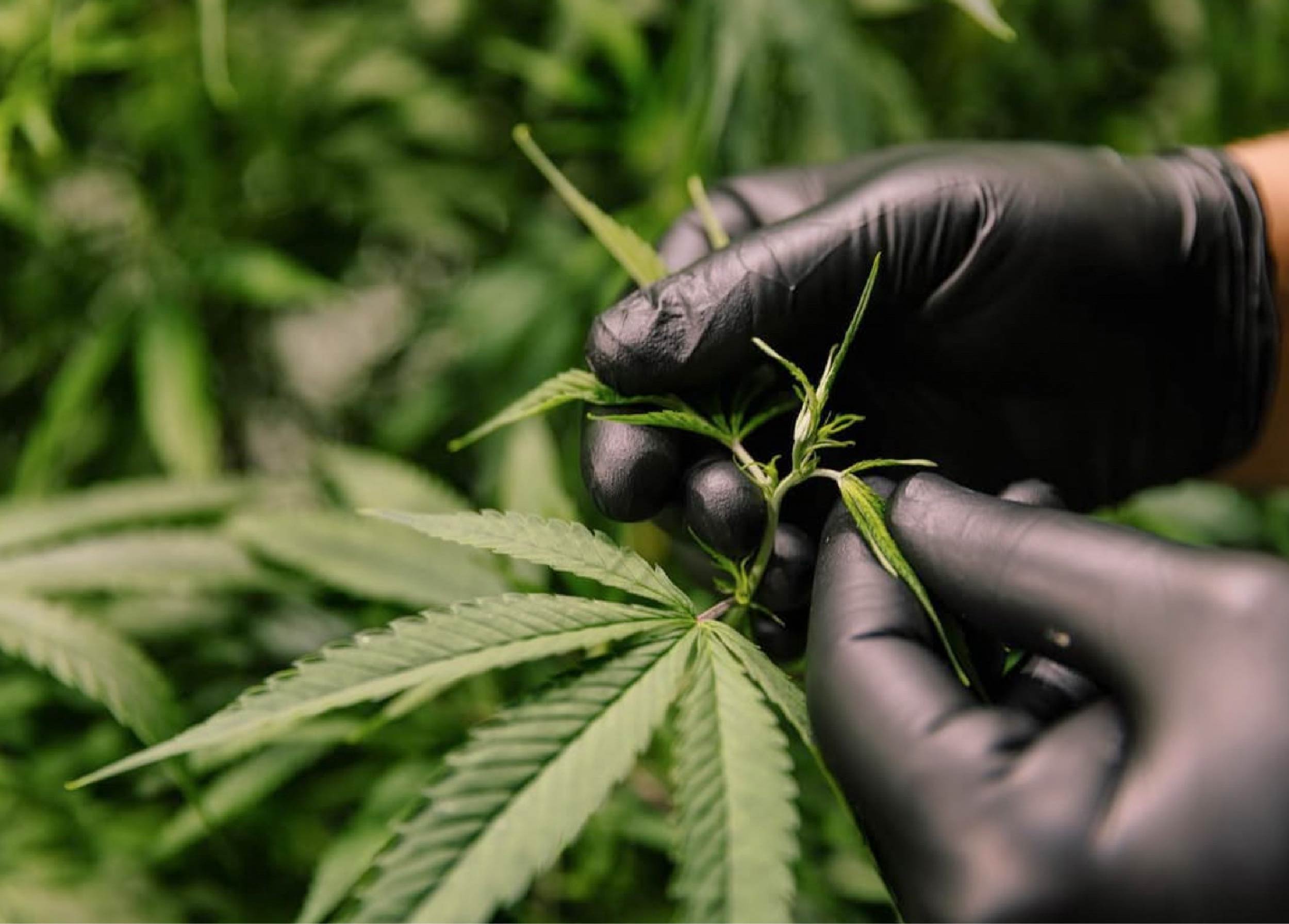
Hemp flower has become one of the most widely discussed products in North Carolina’s hemp market. Much of that attention centers on a cannabinoid called THCa.
Understanding how THCa works requires looking at how cannabis plants produce cannabinoids in their natural form.
What THCa Actually Is
THCa stands for tetrahydrocannabinolic acid.
It is the natural precursor compound that exists in raw cannabis plants before heat is applied.
When THCa is heated through processes such as smoking or vaporization, it converts into delta-9 THC through a reaction called decarboxylation.
Why THCa Flower Is Popular
Many consumers prefer flower because it provides a traditional cannabis experience.
Flower products allow users to explore different strain varieties and terpene profiles while controlling their dosage.
Some consumers also report faster onset effects compared to edible products.
Laboratory Testing and Cannabinoid Profiles
Quality hemp flower is typically evaluated through laboratory testing.
Testing usually measures several factors including:
• Cannabinoid concentration
• Terpene content
• Moisture levels
• Contaminants such as pesticides or heavy metals
These tests help ensure products meet safety and quality standards.
Why Researchers Continue Studying THCa
Although THCa has become widely discussed in cannabis markets, research on the compound itself is still developing.
Scientists are exploring whether THCa may have unique biological properties separate from THC once decarboxylation occurs.
Future studies will help clarify how this cannabinoid interacts with the body.
What Consumers Should Understand
Understanding the difference between THCa and THC helps consumers better interpret product labels and laboratory results.
As cannabis science continues evolving, clearer education around cannabinoids will likely improve consumer understanding.
Latest Articles


Our Newsletter
Keep yourself informed with the most recent news and exclusive content.