WFMY: New federal THC rules could gut NC hemp and drink businesses, owners warn


North Carolina’s hemp industry is once again facing uncertainty as proposed federal THC regulations threaten to dramatically change what products can legally be sold across the country. A recent news report highlights how the potential rule changes could directly impact local businesses that produce hemp and THC infused beverages.
For many small businesses in North Carolina, hemp derived products have become a major source of revenue. If the new federal rule moves forward, some of those products could become illegal almost overnight.
Proposed THC Rule Could Reshape the Hemp Market
The concern stems from a potential federal regulation that would drastically tighten the amount of THC allowed in hemp products. While current federal law allows hemp as long as it contains no more than 0.3 percent Delta 9 THC by dry weight, the proposed rule could impose stricter limits on the total amount of THC in finished products.
Industry leaders say that shift could remove many popular products from store shelves, including infused beverages, edibles, and other hemp derived cannabinoid items that have become common in markets across the United States.
Businesses that built their operations around the current legal definition of hemp now fear the rule could significantly shrink the industry.
Local Businesses Already Feeling the Pressure
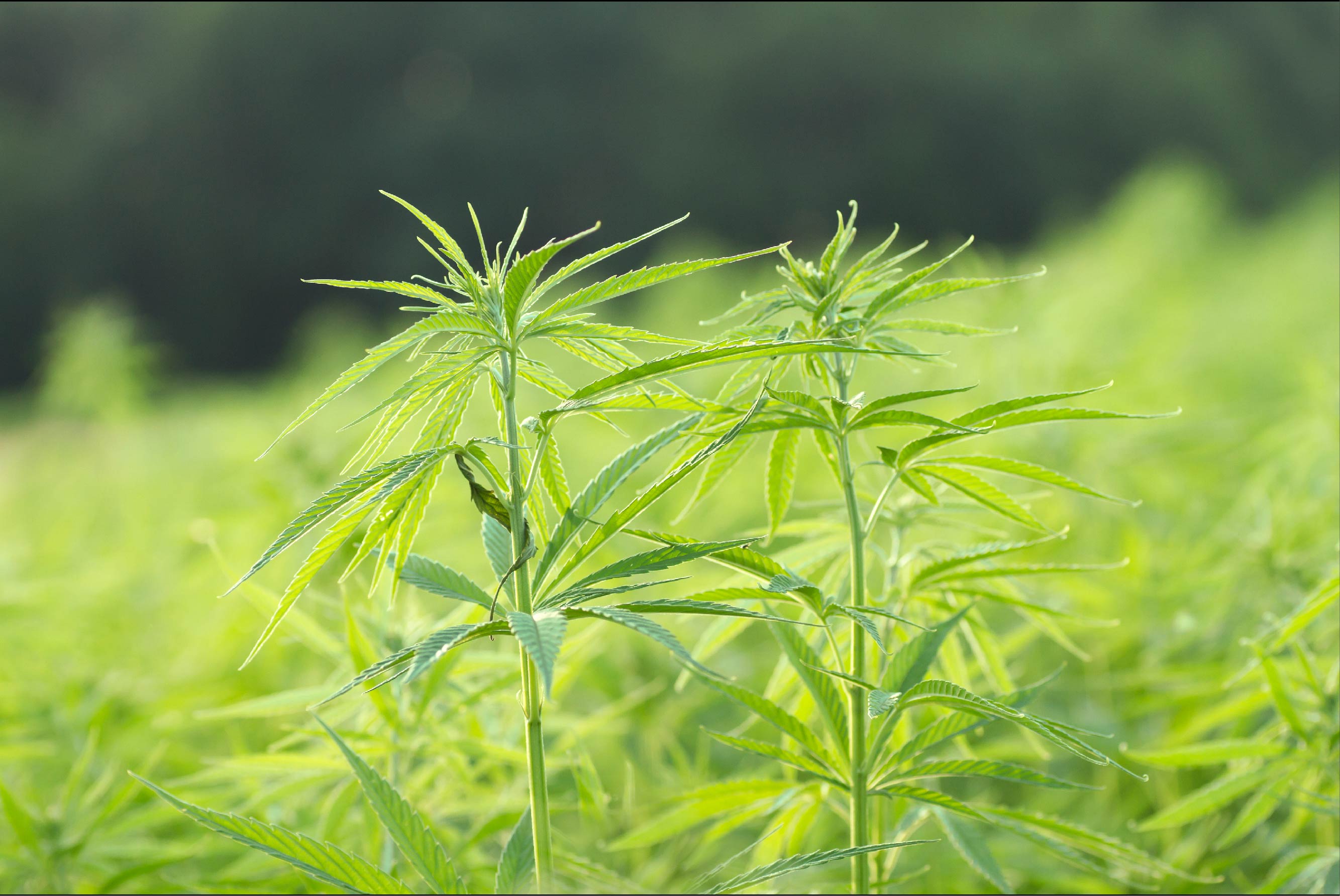
The report highlights two North Carolina entrepreneurs whose businesses depend heavily on hemp derived products. One company focuses on producing THC infused beverages, while another operates as a hemp farm supplying raw plant material.
Both say they invested time, money, and resources into building their operations after hemp became federally legal through the 2018 Farm Bill.
Now they worry that new regulations could force them to completely restructure their businesses or eliminate key product lines entirely.
Hemp Farmers Face Uncertain Growing Seasons
Farmers are especially concerned about the long term impact of regulatory changes. Hemp requires significant planning before each growing season, and farmers must decide months in advance how much acreage to dedicate to the crop.
If federal policy changes reduce demand for hemp derived cannabinoids, growers could be left with fewer buyers for their harvest.
Many farmers entered the hemp market after traditional crops became less profitable. For them, hemp offered a new opportunity to sustain family farms and diversify agricultural income.
Infused Beverage Market at Risk
One of the fastest growing sectors of the hemp industry is infused beverages. These products have become increasingly popular as consumers look for alternatives to alcohol or traditional cannabis products.
Companies producing hemp derived drinks say the category has been expanding rapidly, with new brands launching across the country.
However, stricter THC limits could effectively remove many of these beverages from the legal market, leaving producers uncertain about how to move forward.
The Broader Impact on North Carolina’s Hemp Economy
North Carolina has emerged as an important state for hemp production and product development. The industry supports farmers, processors, manufacturers, distributors, and retailers across the region.
If federal lawmakers adopt stricter THC regulations, the effects could ripple across the entire supply chain.
Business owners say they are not opposed to reasonable regulation, but they hope lawmakers consider the economic consequences before making changes that could disrupt an industry built under existing federal law.
For now, many North Carolina hemp businesses are continuing operations while closely watching how the federal rulemaking process unfolds. The outcome could determine the future direction of hemp derived products not just in the state, but across the entire country.
Latest Policy Articles


Our Newsletter
Keep yourself informed with the most recent news and exclusive content.