CBD Research: What Scientists Currently Know
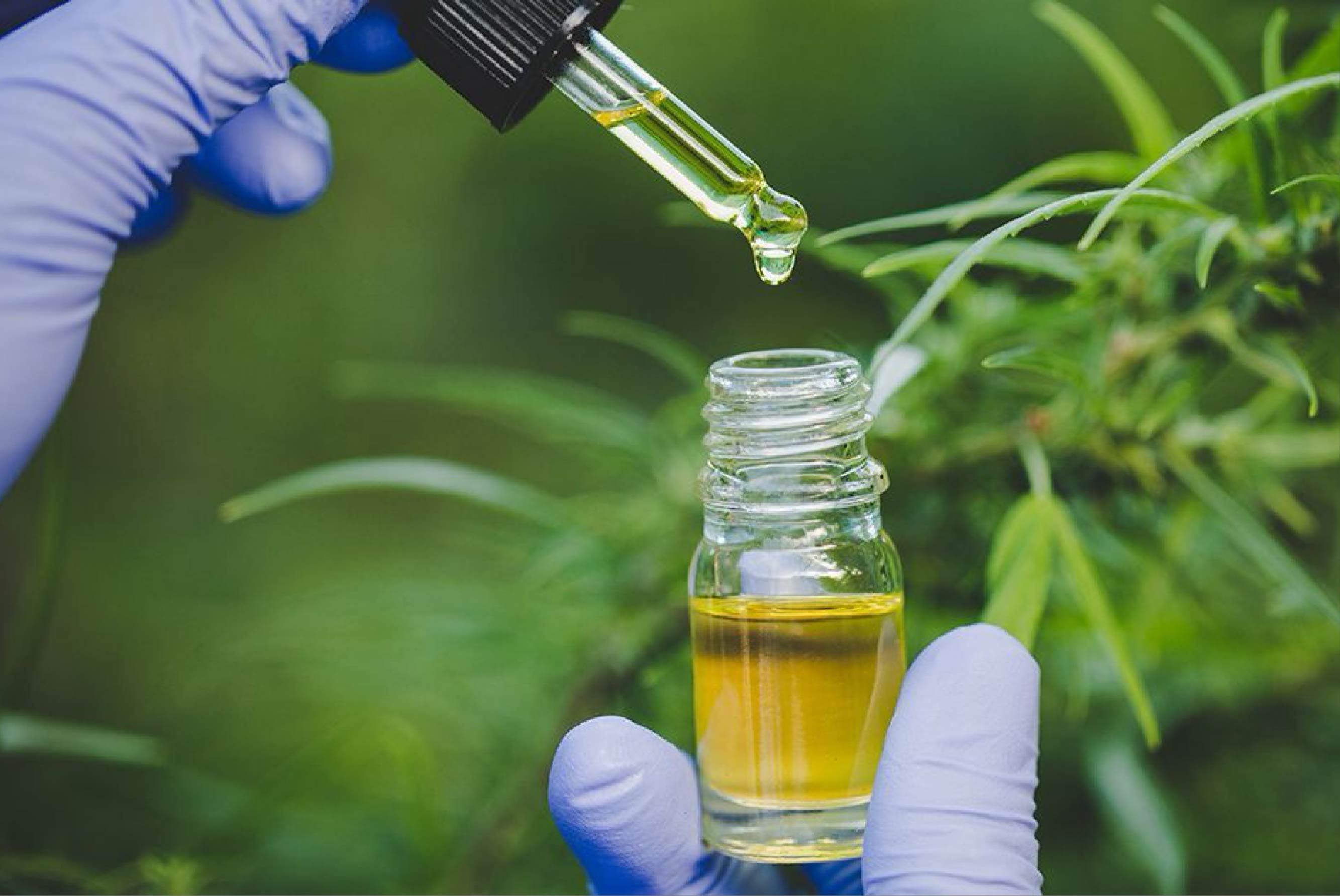
CBD became widely recognized after the 2018 Farm Bill legalized hemp nationwide. Since then, researchers have studied cannabidiol extensively to understand how it interacts with the human body.
Although CBD is widely used in wellness products, scientific research continues to evaluate its full range of effects and potential benefits.
How CBD Works in the Body
CBD interacts with the endocannabinoid system but does not bind directly to CB1 receptors in the same way THC does.
Instead, researchers believe CBD influences several biological pathways related to:
• Stress response
• Inflammation
• Sleep cycles
• Pain perception
Because of these interactions, CBD has been studied for a variety of potential therapeutic uses.
Areas of Active CBD Research
Current research focuses on several potential health applications.
These include:
• Anxiety disorders
• Chronic pain management
• Epilepsy treatment
• Sleep disorders
• Inflammatory conditions
One of the most widely cited breakthroughs was the development of FDA-approved CBD medication for certain forms of epilepsy.
Safety and Dosage Considerations
Most research indicates CBD is generally well tolerated by adults.
However, factors such as dosage, product purity, and individual health conditions can influence results.
Researchers often recommend that consumers:
• Start with lower doses
• Review laboratory testing results
• Consult healthcare professionals when necessary
Why CBD Research Is Still Developing
Although CBD has been widely studied compared to other cannabinoids, many research questions remain unanswered.
Long-term studies and controlled clinical trials will help clarify how CBD can best be used in health and wellness contexts.
Latest Articles




Our Newsletter
Keep yourself informed with the most recent news and exclusive content.