Hemp Edibles: How Gummies, Chocolates, and Foods Work
Edible cannabis products have become one of the most widely recognized product formats in the hemp industry. Unlike inhaled cannabis products, edibles are consumed through digestion, which produces a different onset time and experience.
Understanding how edible products work can help consumers choose the right format for their needs.
What Hemp Edibles Are
Hemp edibles are food products infused with cannabinoids derived from hemp plants.
Common edible products include:
• Gummies
• Chocolates
• Baked goods
• Infused honey
• Snack foods
These products typically contain measured cannabinoid doses designed for controlled consumption.
Why Edibles Feel Different
Edibles affect the body differently than inhaled cannabis products.
Because cannabinoids must be digested and metabolized, effects may:
• Take longer to begin
• Last longer than inhaled products
• Produce stronger body effects
This delayed onset is one reason responsible dosing is important.
Popular Edible Formats
Several edible categories have become especially popular in the hemp industry.
Gummies remain one of the most common edible products due to their convenience and consistent dosing.
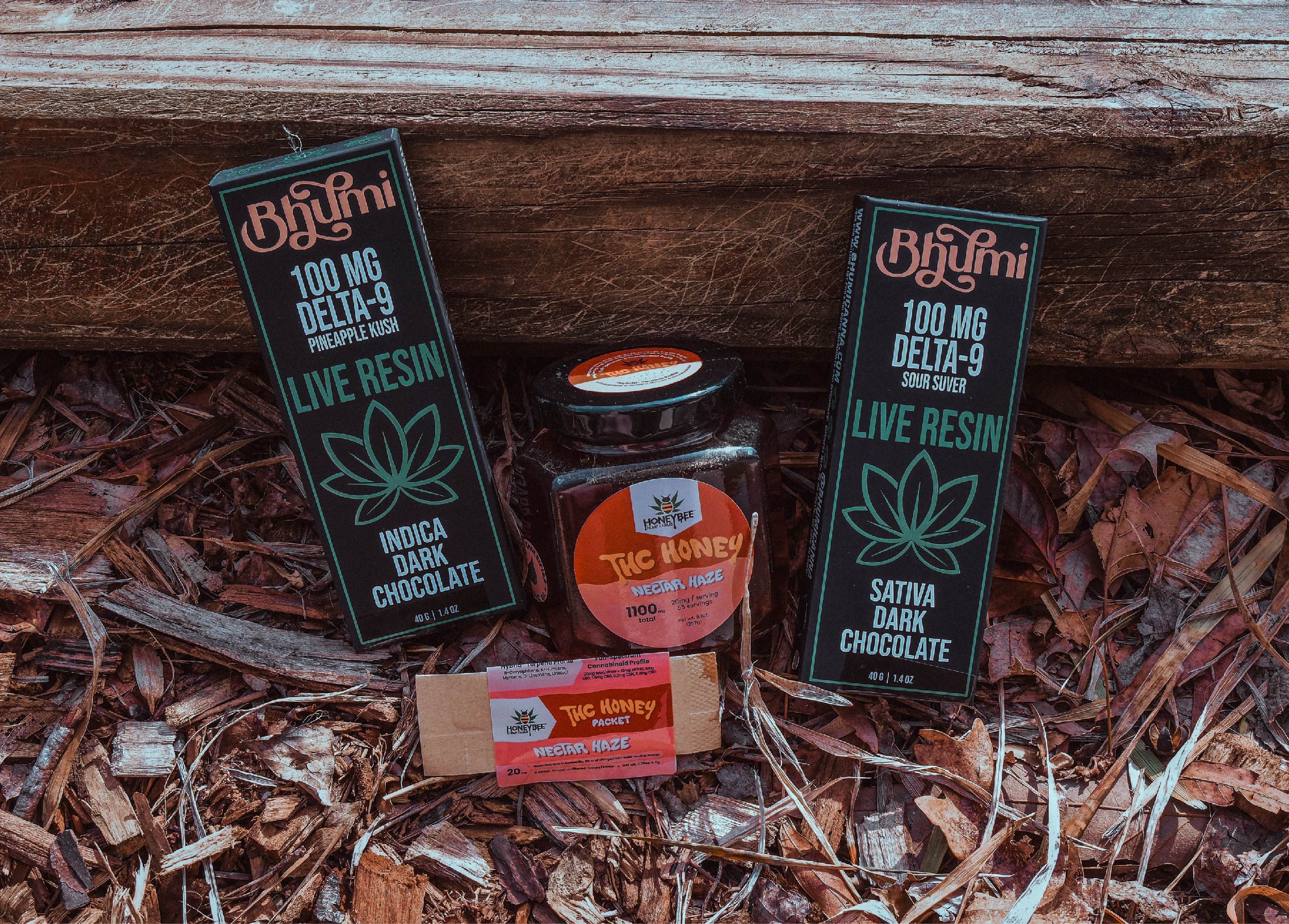
Chocolate has also gained popularity as an edible format. Brands such as Bhumi focus on infused chocolate products made with carefully measured cannabinoid doses.
Other companies explore unique edible formats such as infused honey. For example, Honeybee Hemp Farms produces hemp-infused honey products.
Responsible Edible Consumption
Because edibles have delayed onset times, responsible dosing is especially important.
Consumers are often encouraged to:
• Start with lower doses
• Wait before consuming additional servings
• Review product lab testing
These practices help prevent accidental overconsumption.
Edibles Continue Expanding the Hemp Market
Edibles remain one of the most accessible cannabis product formats for new consumers. As product innovation continues, edible options will likely continue expanding within the hemp marketplace.
Latest Articles


Our Newsletter
Keep yourself informed with the most recent news and exclusive content.