How Hemp Businesses Are Building Local Partnerships

One of the most notable aspects of North Carolina’s hemp industry is how businesses often collaborate with one another. Partnerships between retailers, farms, product manufacturers, and beverage companies help create a stronger and more connected market.
Collaboration Across the Supply Chain
Hemp products often involve multiple businesses working together.
The supply chain may include:
• Farmers growing hemp plants
• Extractors producing cannabinoids
• Manufacturers creating finished products
• Retailers selling products to consumers
These partnerships allow businesses to specialize while still contributing to the broader market.
Cross-Industry Collaboration
Hemp businesses also collaborate with companies outside the cannabis industry.
Partnerships may involve:
• Beverage companies
• Local food producers
• Hospitality businesses
• Community organizations
These collaborations help integrate hemp products into broader lifestyle markets.
Local Retailers Supporting Regional Brands
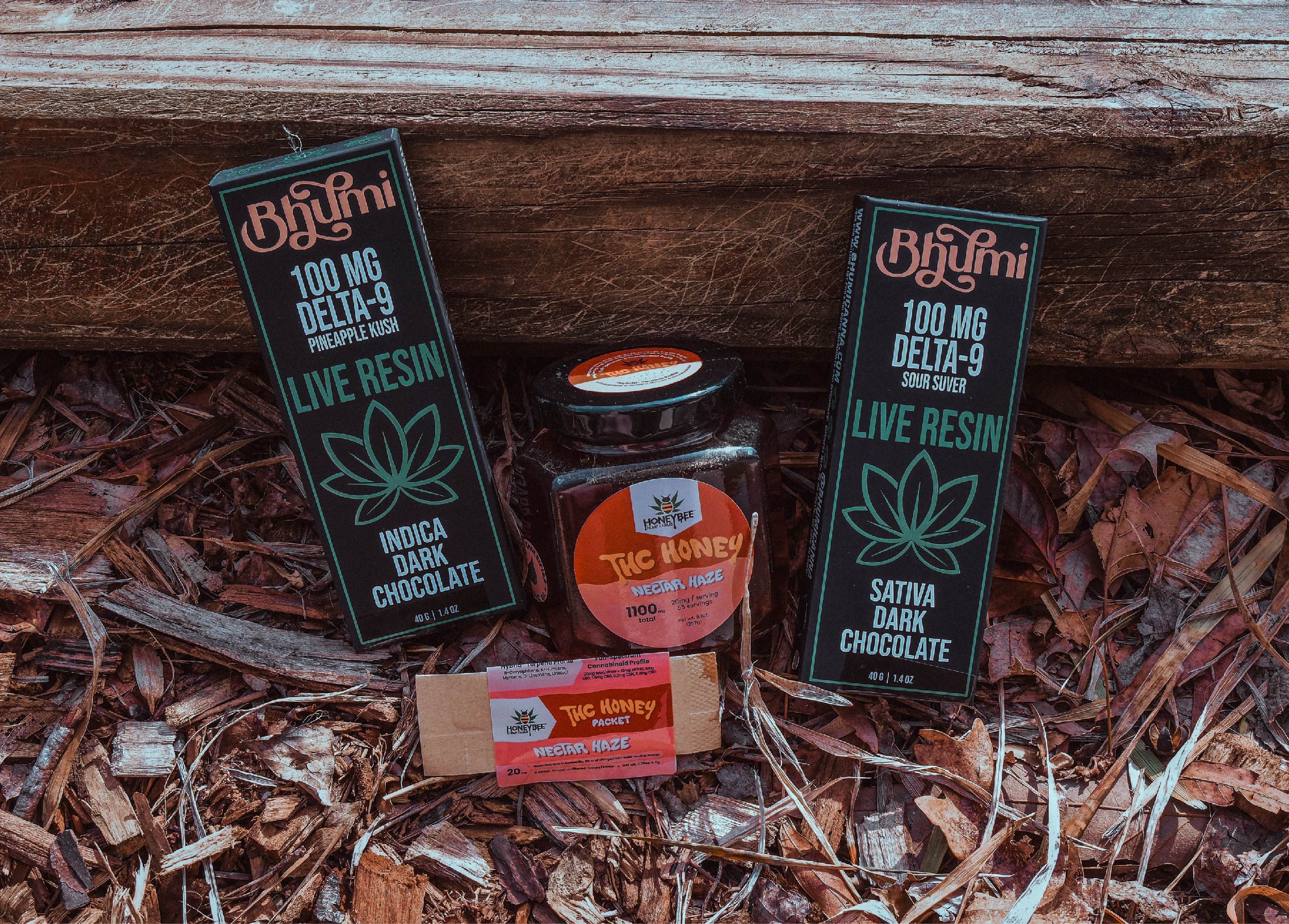
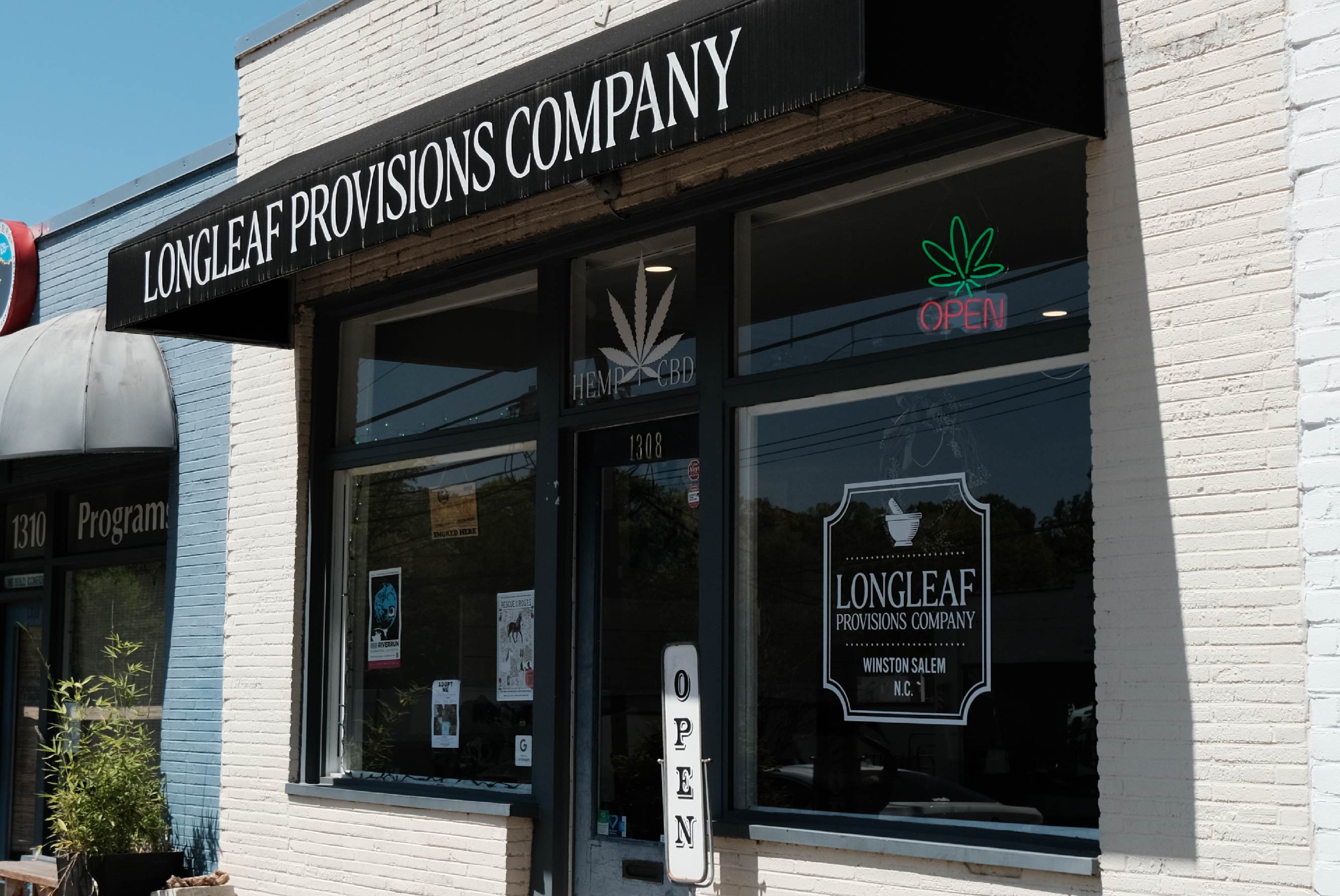
Retailers frequently carry products made by other North Carolina companies.
This type of collaboration allows local brands to reach new audiences while strengthening regional economic connections.
Consumers often appreciate seeing locally produced products featured in stores.
Partnerships Strengthen Industry Stability
Collaboration between businesses can help stabilize a young industry.
By sharing resources, knowledge, and networks, companies can adapt more easily to regulatory changes and market challenges.
Community Collaboration Will Continue Driving Growth
As North Carolina’s hemp market continues to grow, partnerships between businesses will remain a key factor in industry development. Strong networks and collaborative relationships help support long-term sustainability.
Latest Articles



Our Newsletter
Keep yourself informed with the most recent news and exclusive content.