Why Local Farmers Are Important to the Hemp Industry

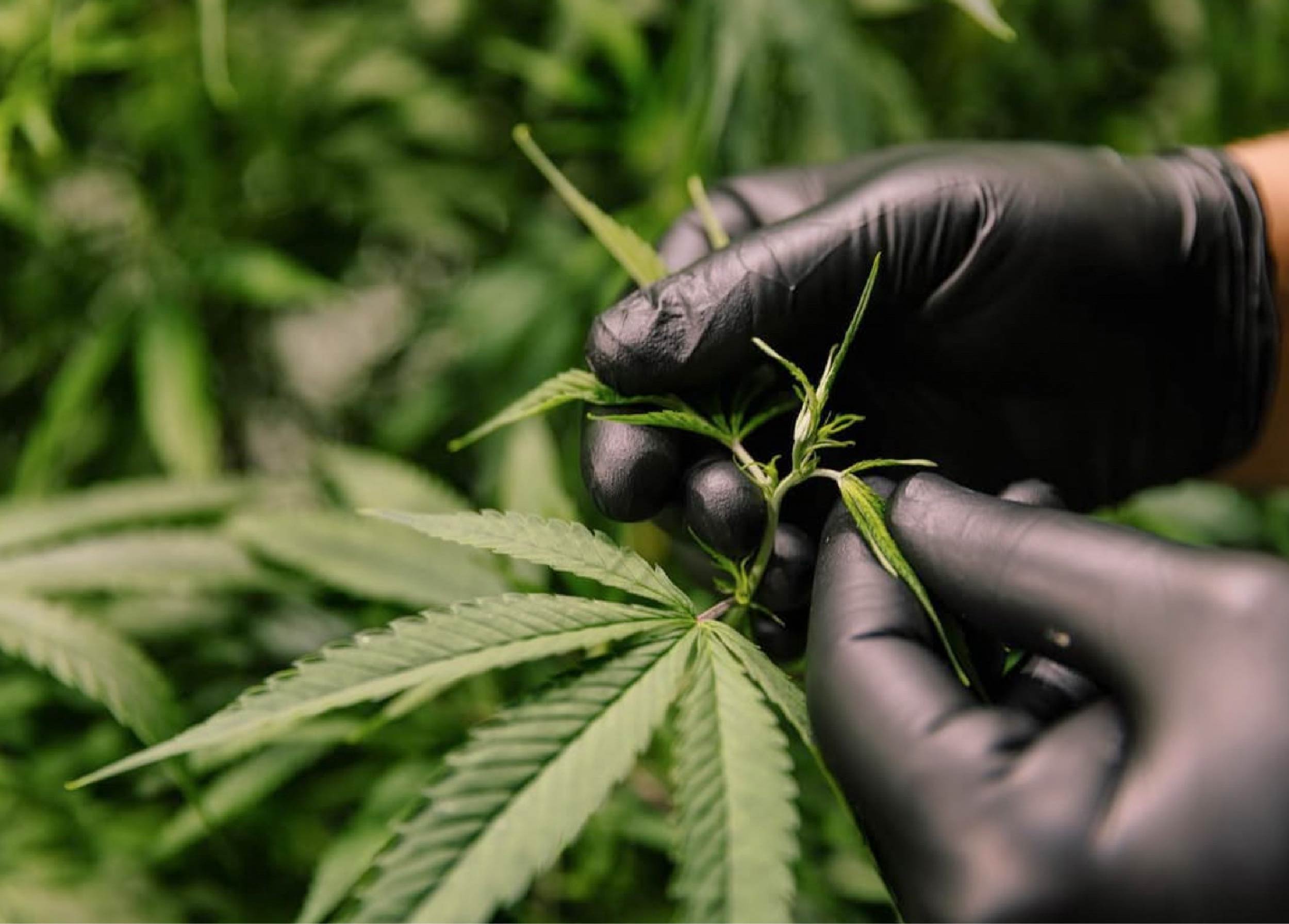
Hemp farming remains one of the most important foundations of the cannabis supply chain. Without farmers cultivating hemp plants, the entire industry would struggle to produce products ranging from flower to extracts and infused foods.
Across North Carolina, farmers have helped establish the state as an emerging region for hemp cultivation.
Hemp Farming Requires Specialized Knowledge
Growing hemp successfully requires careful planning and expertise.
Farmers must consider factors such as:
• Soil conditions
• Climate patterns
• Pest management
• Harvest timing
• Post-harvest drying and curing
These factors all influence the final quality of hemp crops.
Farms Supply Raw Materials for Many Products
Hemp farms provide the raw plant material used in many product categories.
These materials are used to produce:
• Hemp flower products
• Cannabinoid extracts
• Edibles and beverages
• Hemp-derived wellness products
Because of this, farmers remain an essential part of the industry.
North Carolina Farms Contributing to the Market
Several farms across the state have gained recognition for producing quality hemp crops.
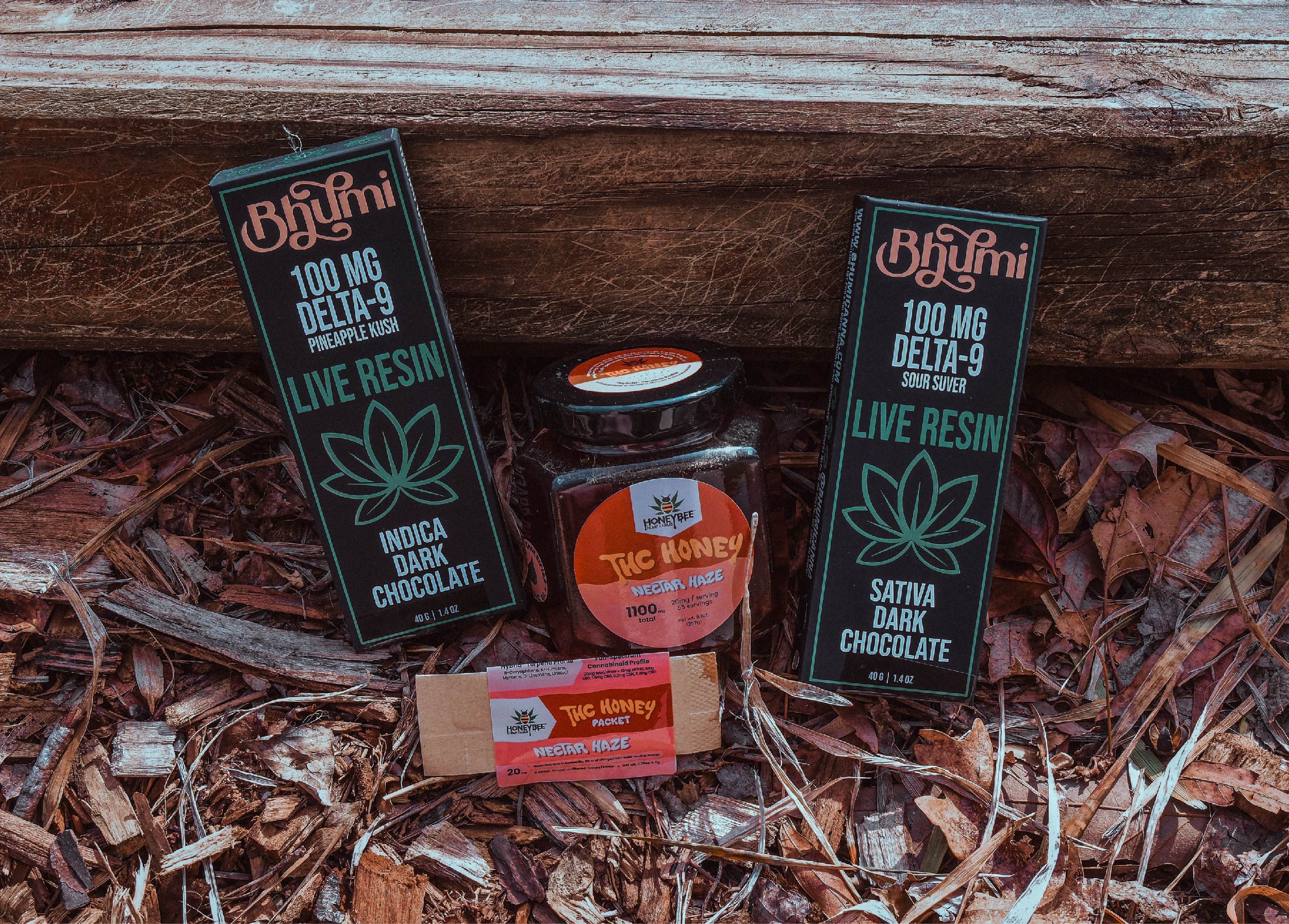
For example, Honeybee Hemp Farms is known for creating hemp-infused honey products using locally sourced ingredients.
Farmers like these demonstrate how agricultural expertise can translate into innovative hemp products.
Farming Practices Influence Product Quality
The quality of hemp products often begins at the farm level.
Cultivation practices such as organic growing methods, careful curing processes, and selective breeding all affect the final cannabinoid and terpene profiles of the plant.
Agriculture Will Continue to Shape Hemp’s Future
As the hemp industry continues to develop, farmers will remain central to the supply chain. Sustainable cultivation practices and agricultural innovation will play an important role in determining the future of hemp products.
Latest Articles


Our Newsletter
Keep yourself informed with the most recent news and exclusive content.