Hemp Beverage Policy in North Carolina: Why THC Drinks Are Drawing Attention
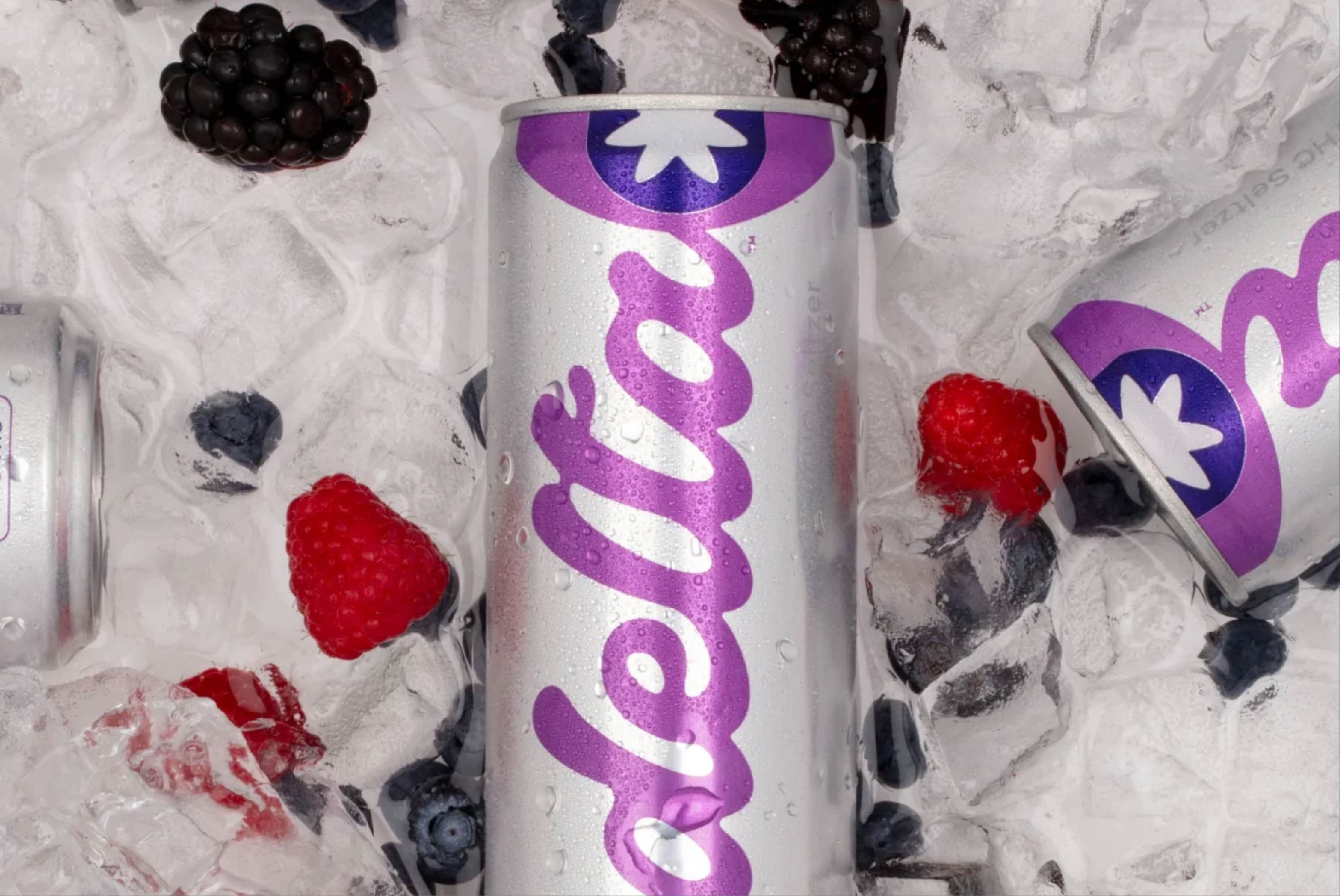
Hemp-derived beverages have quickly become one of the fastest growing product categories in North Carolina. These drinks offer consumers an alternative to alcohol while delivering mild cannabinoid effects. As their popularity increases, lawmakers are considering whether beverages should follow a unique regulatory framework. Proposed policies may place oversight of hemp beverages under systems similar to alcohol regulation.
The Rise of Hemp Beverages
In recent years, hemp beverages have expanded beyond niche markets and into mainstream retail.
Brands across North Carolina have introduced a variety of infused drinks, including sparkling beverages, sodas, and infused coffees. The category gained early momentum when High Road Reserve introduced one of the first infused seltzers available in the state.
Other companies, including Charlotte-based Delta, have also entered the market with new beverage products designed for social consumption.
Local craft beverage producers have also begun experimenting with hemp-infused drinks. Winston-Salem based Little Trees combines craft beverage culture with hemp innovation.
Why Regulators Are Focusing on Beverages
Because hemp beverages resemble traditional drinks, lawmakers have raised questions about how they should be regulated.
Several policy proposals suggest giving oversight authority to the North Carolina Alcoholic Beverage Control Commission. This approach would treat hemp drinks more similarly to alcohol products.
Supporters believe this model could provide clearer rules for manufacturing, distribution, labeling, and retail sales.
Key Regulatory Ideas Being Discussed
Policy proposals related to hemp beverages often include several common concepts.
• Serving size guidelines
• Testing and quality standards
• Clear cannabinoid labeling
• Age restrictions for intoxicating products
These rules would help ensure consumers understand exactly what they are purchasing.
What It Means for Businesses
If beverage regulations are adopted, manufacturers and retailers may need to update compliance procedures.
Companies could be required to maintain batch testing records, implement stronger labeling practices, and follow standardized serving size guidelines.
However, many producers already operate with strict quality standards in place.
Consumer Demand Continues to Grow
Despite ongoing policy debates, consumer demand for hemp beverages continues to increase. Many customers view these drinks as a social alternative to alcohol or traditional cannabis consumption.
Retailers across North Carolina report strong interest in beverage products, particularly among consumers seeking lower-dose cannabinoid experiences.
Hemp beverages represent one of the most dynamic segments of North Carolina’s hemp industry. As the category grows, lawmakers are exploring regulatory models that could bring greater clarity to the market while maintaining consumer safety.
Latest Articles


Our Newsletter
Keep yourself informed with the most recent news and exclusive content.