How Local Hemp Businesses Are Competing in a Rapidly Growing Industry

North Carolina’s hemp industry has expanded dramatically in recent years. New dispensaries, product manufacturers, and beverage companies are entering the market each year. As competition grows, businesses must differentiate themselves through branding, transparency, and unique product offerings.
The Competitive Landscape
The hemp industry now includes companies operating across several areas of the supply chain.
These include:
• Hemp cultivation and farming
• Retail dispensaries
• Product manufacturing
• Beverage production
• Specialty edible companies
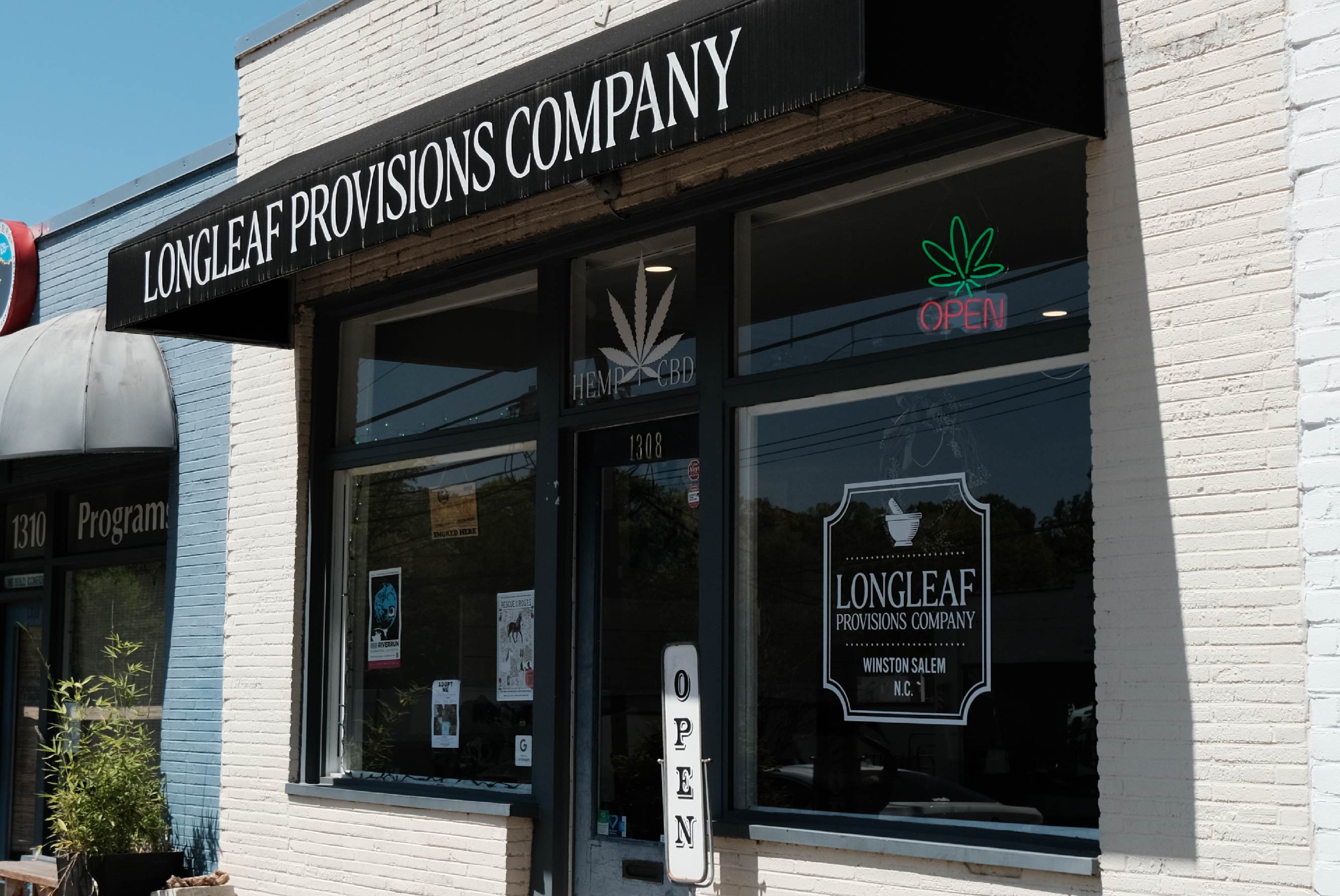
Retailers such as Longleaf Provisions and Crowntown Cannabis compete through curated product menus and customer education.
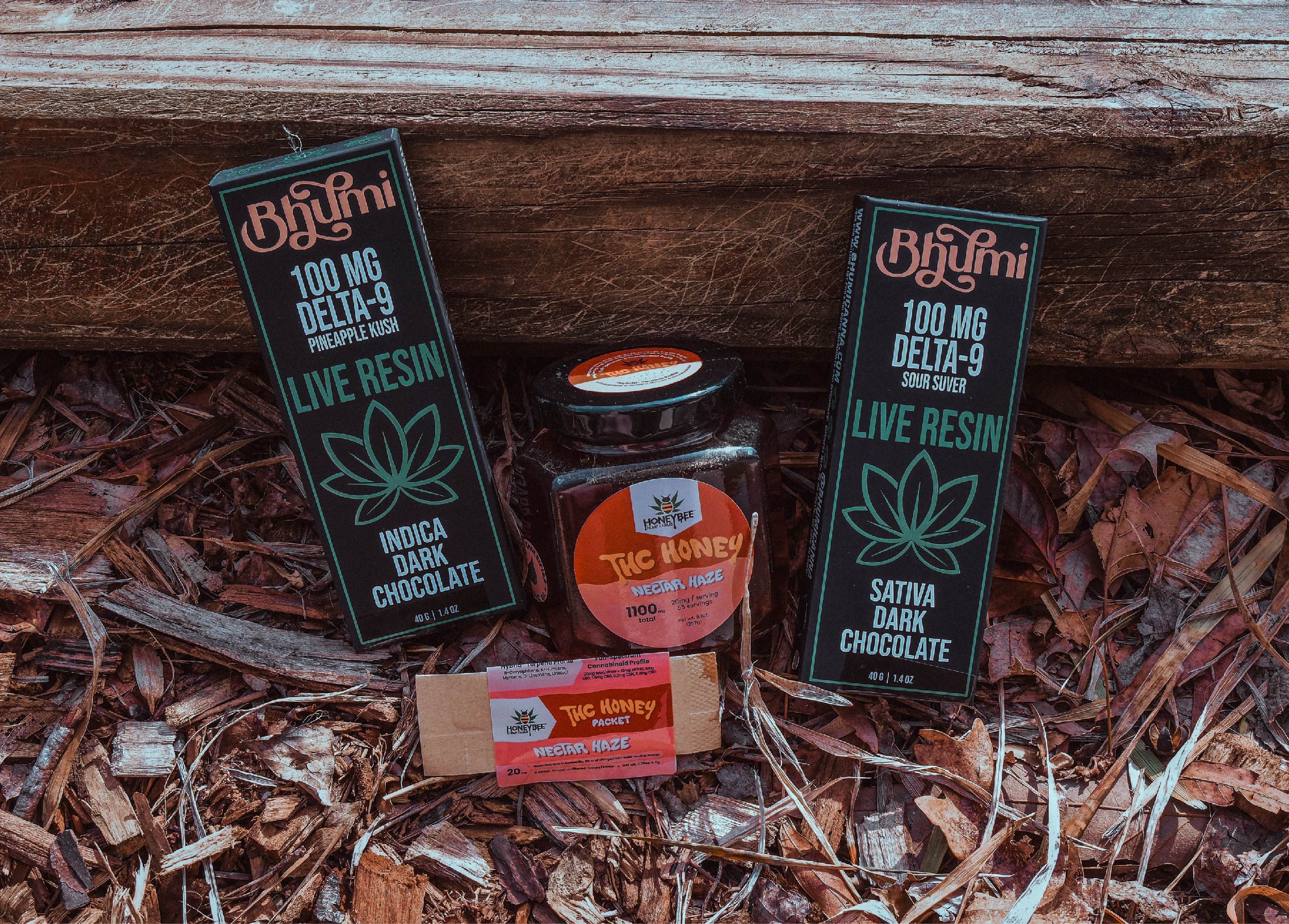
Meanwhile producers such as Honeybee Hemp Farms and Bhumi differentiate themselves through unique product formats.
Branding Has Become Essential
As the hemp industry grows, branding and product identity play a major role in business success.
Successful companies often invest heavily in:
• Professional packaging
• Clear product education
• Strong visual branding
• Community engagement
These elements help businesses stand out in a crowded marketplace.
Local Identity Matters
Many hemp companies emphasize their North Carolina roots as part of their brand story.
Supporting local agriculture, participating in community events, and collaborating with other regional businesses can help build stronger relationships with customers.
Consumers often prefer supporting businesses that reflect their local communities.
Transparency Builds Consumer Trust
Modern hemp consumers expect transparency from brands.
Businesses that clearly communicate product sourcing, cannabinoid testing, and ingredient quality often develop stronger reputations.
Transparency has become a key factor in long-term brand success.
The Industry Is Still Evolving
North Carolina’s hemp market continues to grow and mature. Companies that focus on innovation, quality, and customer trust will likely shape the future of the state’s cannabis industry.
Latest Articles


Our Newsletter
Keep yourself informed with the most recent news and exclusive content.