Understanding Hemp Terpenes for Beginners
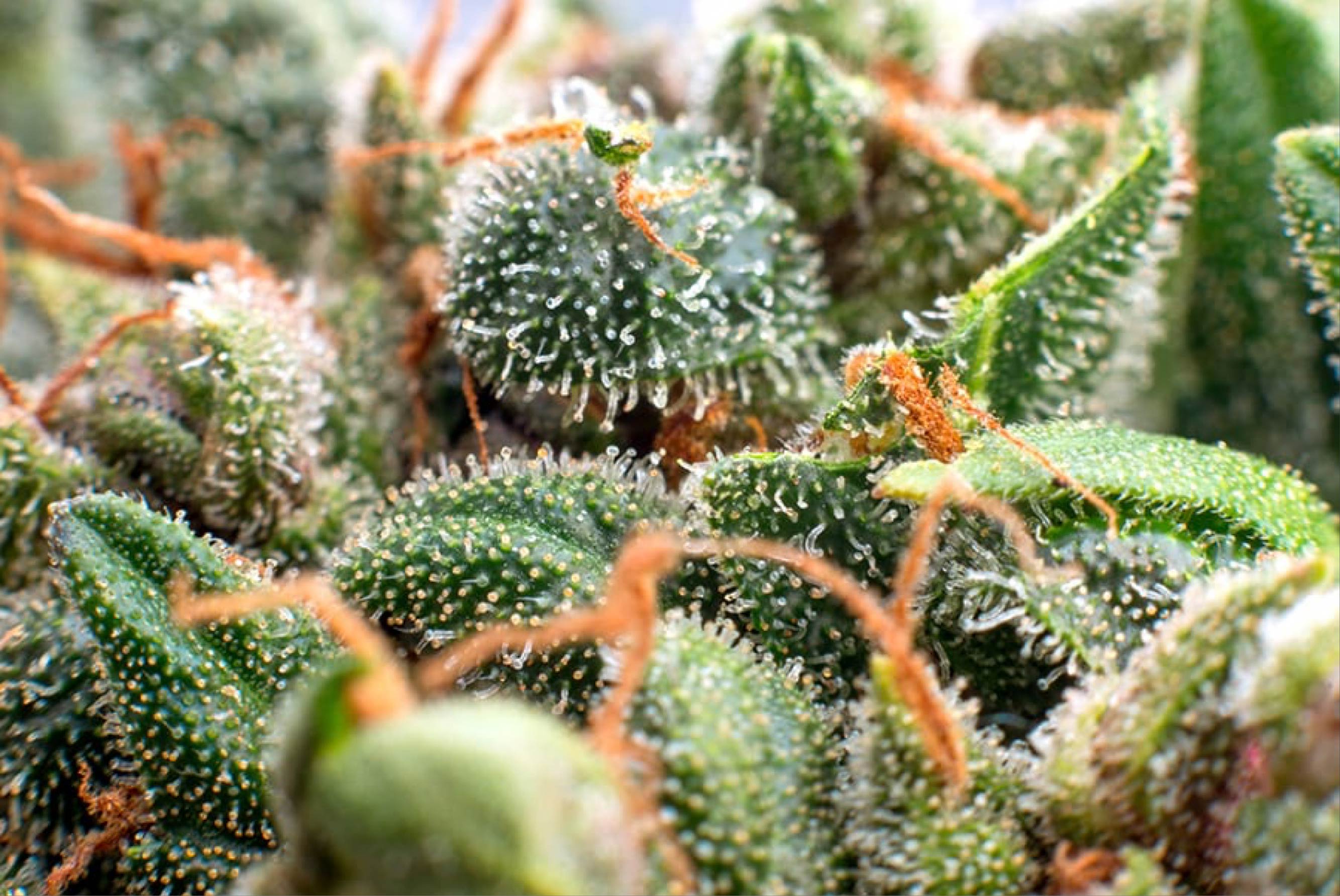
When consumers talk about the flavor or aroma of cannabis, they are usually referring to compounds known as terpenes. These naturally occurring molecules are responsible for many of the scents found in plants, including citrus, pine, and lavender. In hemp products, terpenes play an important role in shaping both sensory experience and potential effects.
What Terpenes Are
Terpenes are aromatic compounds produced by many plants.
They are commonly found in:
• Cannabis plants
• Citrus fruits
• Pine trees
• Herbs and spices
These molecules evolved as part of plant defense systems and pollination strategies.
Common Terpenes Found in Hemp
Cannabis plants produce a wide range of terpenes. Some of the most frequently encountered include:
• Myrcene
• Limonene
• Pinene
• Linalool
• Caryophyllene
Each terpene produces a distinct aroma and may contribute to the overall experience of a product.
How Terpenes Influence Flavor
Terpenes are responsible for the complex scent profiles found in cannabis strains.
For example:
• Limonene often produces citrus aromas
• Pinene produces pine-like scents
• Linalool can produce floral notes
These aromas play a major role in how consumers evaluate different strains.
Terpenes and the Entourage Effect
Researchers often discuss the concept known as the entourage effect.
This theory suggests that cannabinoids and terpenes may interact together in ways that influence the overall experience of cannabis products.
Although research is still developing, many consumers believe terpene profiles contribute significantly to how products feel.
Why Terpene Education Matters
Learning about terpenes allows consumers to explore cannabis more intentionally. Understanding terpene profiles can help people choose products based on flavor preferences and potential experiences.
Latest Articles



Our Newsletter
Keep yourself informed with the most recent news and exclusive content.