Understanding Terpenes and Why They Matter in Hemp
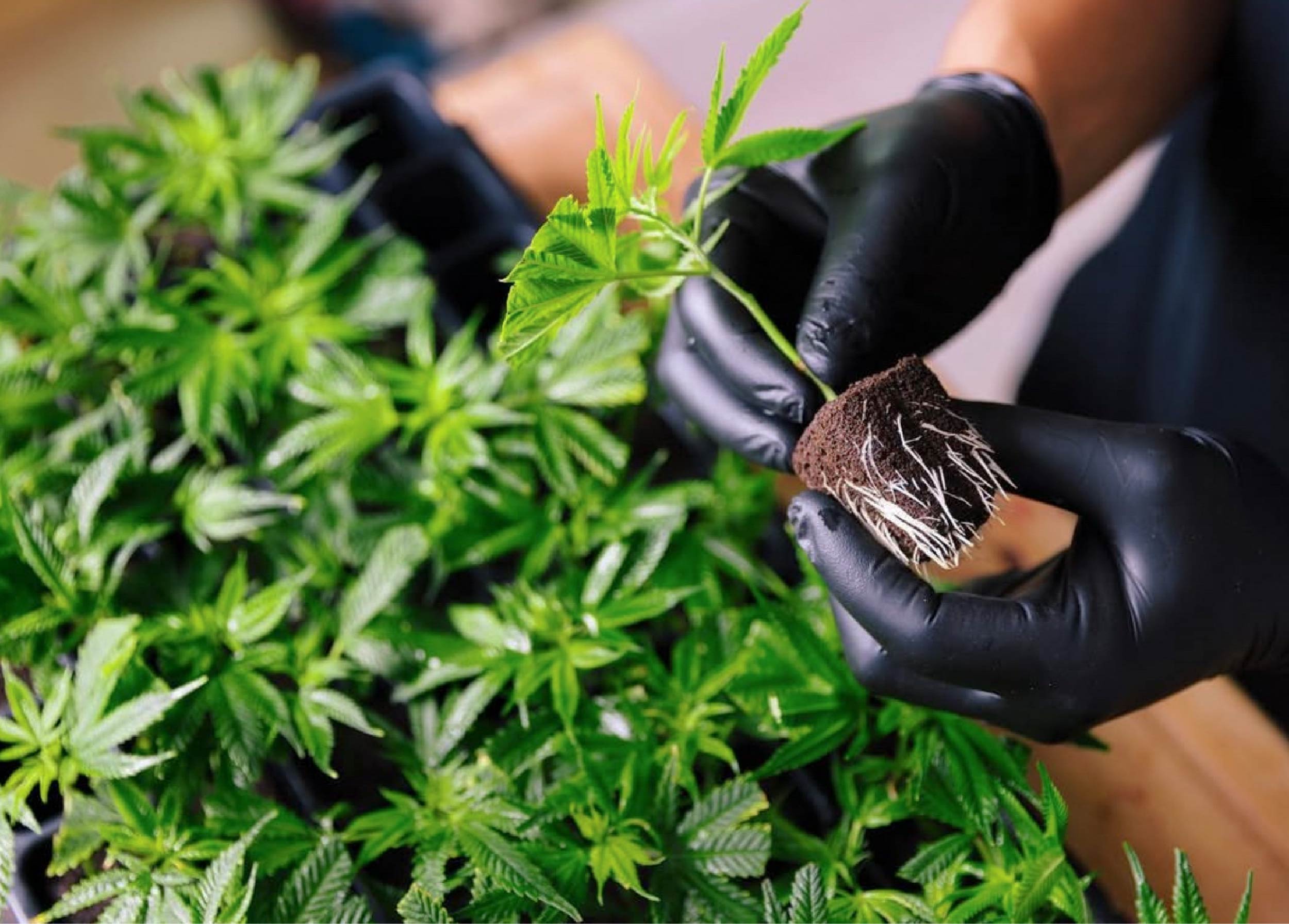
Many consumers focus on cannabinoid content when choosing hemp products, but another important group of plant compounds often plays a major role in the overall experience. These compounds are known as terpenes.
Terpenes are aromatic molecules found in many plants, including cannabis, citrus fruits, pine trees, and herbs. In hemp products, they contribute both flavor and potential therapeutic properties.
What Terpenes Do in Plants
In nature, terpenes help plants survive.
They serve several biological purposes including:
• Attracting pollinators
• Repelling pests
• Protecting plants from environmental stress
These compounds are responsible for the distinct aromas associated with different cannabis strains.
Common Terpenes Found in Hemp
Some of the most frequently occurring terpenes in cannabis plants include:
• Myrcene
• Limonene
• Pinene
• Linalool
• Caryophyllene
Each terpene produces a different scent and may influence how cannabinoids interact with the body.
The Entourage Effect
Researchers often discuss the concept known as the entourage effect when studying cannabis.
This theory suggests that cannabinoids and terpenes may work together to produce combined effects that differ from isolated compounds alone.
For example, terpene profiles may influence how a product feels in terms of relaxation, energy, or mood.
How Terpenes Influence Consumer Experience
Terpenes affect several aspects of hemp products.
These include:
• Aroma and flavor
• Perceived effects
• Product differentiation between strains
Because of this, terpene profiles have become an important factor for both consumers and cultivators.
Why Terpene Research Is Growing
Interest in terpene science continues to grow as researchers explore how these compounds interact with cannabinoids and human biology.
Understanding terpene profiles may help consumers make more informed decisions about the products they choose.
Latest Articles




Our Newsletter
Keep yourself informed with the most recent news and exclusive content.